
Quick answer: A convenience-store nootropic pouch assortment should begin with a small, clearly differentiated range: caffeinated and caffeine-free options, restrained strengths, familiar flavors and unambiguous nicotine-free labeling. Buyers also need shelf-ready case packs, scannable barcodes, reliable replenishment and jurisdiction-specific classification review.
Build a clear opening assortment
Avoid launching many near-identical SKUs. A practical test may distinguish energy/focus, calm focus and caffeine-free products through flavor and strength. Front-of-pack information should quickly communicate “no nicotine” and “no tobacco” without implying that the product is a nicotine pouch.
Retail scorecard
| Area | Buyer question |
|---|---|
| Product | Are active amounts, caffeine status, pouch count and directions clear? |
| Pack | Does the can close securely, scan reliably and remain legible? |
| Case | Is the inner/master case shelf-ready and correctly labeled? |
| Compliance | Has classification, ingredient status and claim wording been reviewed? |
| Supply | Can the vendor meet reorder lead time with consistent lots? |
Placement and responsible communication
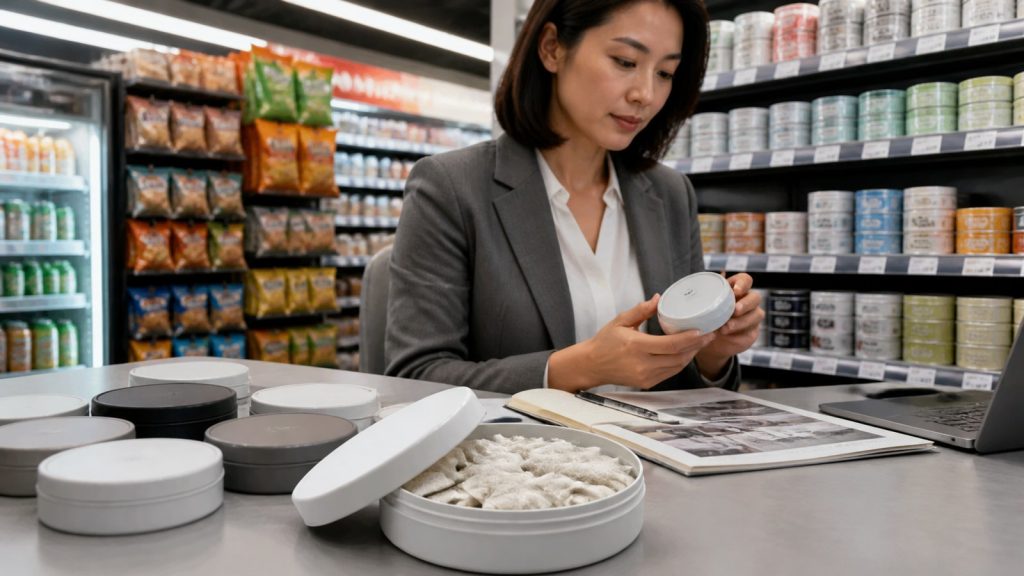
Placement rules vary. Keep the product clearly separated from tobacco where required and avoid youth-oriented graphics, medical promises or confusion with nicotine products. Staff training should explain the category, caffeine content, intended adult use and where consumers can find full directions and warnings.
Case packs and replenishment
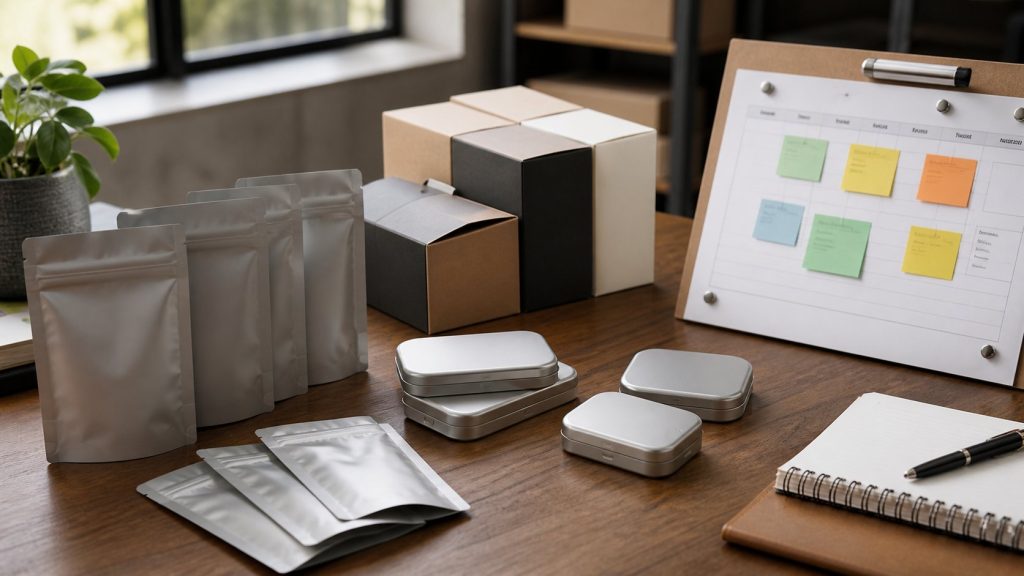
Choose an inner pack that fits shelf depth and supports a controlled trial. Master cases need SKU, quantity, lot and date information. Use weekly sell-through, store count, out-of-stocks, returns and complaints to plan reorders instead of relying only on initial shipments.
Pilot before chain-wide rollout
Test a representative store group, hold pack and price consistent, and compare sales per store per week. Review flavor mix, repeat orders and operational issues. A pilot should also reveal whether consumers misunderstand nicotine status or serving information.
Frequently asked questions
Which nootropic pouch flavors sell in convenience stores?
Familiar mint and fruit profiles are easy to understand, but local data and a controlled pilot should guide the range.
Should caffeinated and caffeine-free cans look different?
Yes. Use clear, original visual differentiation and prominent factual caffeine disclosure.
What should be printed on a wholesale case?
At minimum, use the approved SKU, quantity, lot/date data, barcode and handling information required by the account and market.
Buyer due-diligence checklist
- Define the destination market, product classification and intended adult customer.
- Approve written finished-product and packaging specifications.
- Request lot traceability, relevant test methods, change control and complaint procedures.
- Compare landed cost and reorder risk, not a headline unit price alone.
Continue with our 2026 nootropic pouch buyer’s guide, wholesale supplier checklist or OEM project inquiry.
Reviewed 15 August 2026. Educational B2B information, not medical or legal advice. Product classification and requirements vary by market.
Buyer decision summary
Use this page as a decision framework, not as a substitute for a signed product specification or market-specific review. A credible nootropic pouch project identifies the finished product category, the amount of every active per pouch, total caffeine from all sources, intended adult use, packaging configuration and target jurisdiction. Commercial figures such as MOQ and lead time should be tied to the actual formula, flavor, strength and artwork version. Before approval, compare a production-equivalent sample with measurable acceptance criteria and assign responsibility for claims, labels, release testing and later changes. This prevents a general marketing statement from being mistaken for a guaranteed specification and gives procurement, formulation, quality and regulatory teams the same reference point.
Key parameters to confirm
- Commercial unit: Request MOQ per formula, flavor, strength and packaging version.
- Sample status: Separate stock, bench, pilot and production-equivalent approval samples.
- Lead-time trigger: Confirm whether timing starts after deposit, formula approval, artwork approval or packaging receipt.
- Release documents: Define specifications, COA scope, retain samples, change control and acceptance in writing.
Content status: Reviewed 13 September 2026. General B2B information; project-specific commercial, technical and regulatory details require written confirmation.