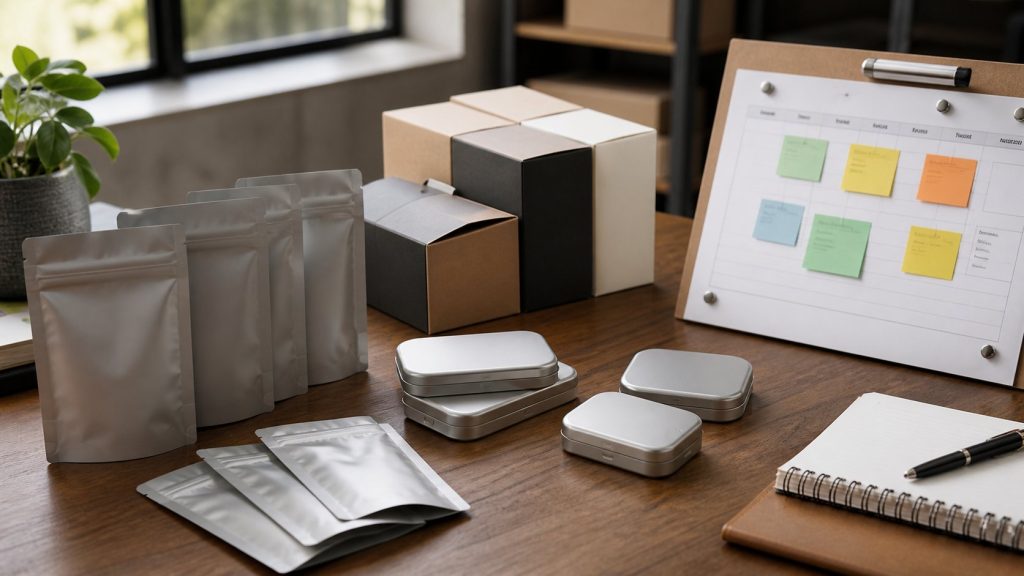


Quick answer: Bulk nootropic pouch shipments should protect the validated finished product from excessive heat, moisture, crushing, contamination and uncontrolled delays. The shipper should use the approved case pack and pallet pattern, document lot and expiry information, assess route temperature risk, and confirm marketplace or distributor labeling before dispatch. Refrigeration is not automatically required; storage and transport conditions must follow product-specific stability evidence.
Start with the approved storage statement
“Store in a cool, dry place” is not a shipping protocol. Translate the approved product specification into measurable warehouse and transit controls. Consider seasonal origin and destination temperatures, container dwell time, direct sunlight, humidity, port delays and last-mile storage. If stability data support only a defined range, the logistics plan should address excursions and who evaluates them.
Primary, secondary and tertiary packaging
| Layer | Purpose | Buyer check |
|---|---|---|
| Tin or flexible pack | Moisture and aroma barrier; consumer closure | Seal, liner, coding and tamper evidence |
| Retail carton / inner case | Communication and unit protection | Correct SKU, barcode, quantity and orientation |
| Master case / pallet | Distribution protection | Compression strength, void fill, stretch wrap and labels |
Temperature and humidity risk
Heat can accelerate flavor loss, discoloration, ingredient degradation and package distortion. Humidity can change pouch moisture and carton strength. A qualified route may use insulated liners, reflective covers, desiccant, data loggers or expedited service when justified. A logger is useful only when placement, limits, review responsibility and excursion disposition are defined.
Pallet and container planning
Confirm case dimensions and weight before quoting freight. Use a documented pallet pattern, corner protection and stable stretch wrapping without crushing lower cases. Avoid floor or wall contact where condensation may occur. For ocean freight, evaluate container humidity, ventilation, liner use and loading at a time that reduces uncontrolled exposure.
FBA-ready and distributor-ready preparation
Marketplace rules change, so validate current barcode, case label, pack integrity, expiry and prep requirements for the destination account. Ensure each sale unit is scannable and does not expose loose pouches. Master cases should identify product, lot, quantity and handling information without conflicting labels.
Documents to include in the shipping file
- Commercial invoice, packing list and transport document
- Lot-specific certificate of analysis and release approval
- Product and packaging specifications
- Origin and import documents required by the route
- Pallet map, case count and expiry information
- Temperature records or excursion report when required
Frequently asked questions
Do nootropic pouches need refrigerated shipping?
Not universally. Use the storage condition supported by the finished-product stability program. Unnecessary refrigeration can add condensation and cost.
Should every shipment have a temperature logger?
Use a risk-based approach. Loggers are especially useful for new routes, extreme seasons, long dwell times or products with narrow validated conditions.
What should happen after a temperature excursion?
Quarantine the affected lot and have qualified personnel assess duration, magnitude, stability data and package condition before release.
Further reading
Buyer due-diligence checklist
- Define the destination market, product classification and intended adult consumer.
- Approve a written finished-product specification rather than relying on a sales sample.
- Request lot traceability, relevant test methods, change control and complaint procedures.
- Compare landed cost, component minimums and reorder risk—not unit price alone.
Related resources: 2026 buyer’s guide, wholesale supplier checklist and OEM project inquiry.
Reviewed 13 August 2026. General educational procurement information only; obtain product-specific technical and regulatory advice.
Buyer decision summary
Use this page as a decision framework, not as a substitute for a signed product specification or market-specific review. A credible nootropic pouch project identifies the finished product category, the amount of every active per pouch, total caffeine from all sources, intended adult use, packaging configuration and target jurisdiction. Commercial figures such as MOQ and lead time should be tied to the actual formula, flavor, strength and artwork version. Before approval, compare a production-equivalent sample with measurable acceptance criteria and assign responsibility for claims, labels, release testing and later changes. This prevents a general marketing statement from being mistaken for a guaranteed specification and gives procurement, formulation, quality and regulatory teams the same reference point.
Key parameters to confirm
- Pack hierarchy: Approve pouch, can, label, inner pack, master carton and shipping configuration as one system.
- Production equivalence: Validate the intended count, weight, can, closure, divider, tape and carton board.
- Distribution route: Specify parcel, ecommerce, mixed case, pallet, climate and storage exposure.
- Acceptance criteria: Define functional damage, cosmetic limits, label legibility, leakage and safe handling before testing.
Continue this topic
- Nootropic Pouch Packaging Guide: Tins, Labels, Shelf Life and Sustainability
- Nootropic Pouch Retail Case Pack Specifications: Trays, Cartons and Pallet Data
- Nootropic Pouch Shipping Carton Drop Test: Transit Packaging Guide for OEM Buyers
Content status: Reviewed 13 September 2026. General B2B information; project-specific commercial, technical and regulatory details require written confirmation.