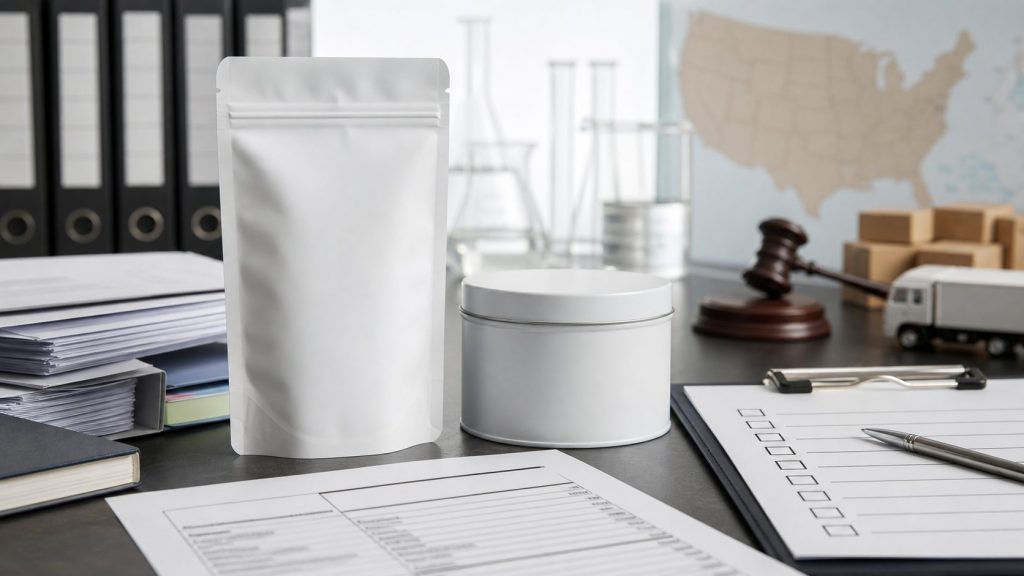


Quick answer: EFSA evaluates scientific questions, while EU and national authorities apply food law. Buyers must assess the exact ingredients, dose, intended use, claims and sales country.
Key takeaways
- Define the target market and lawful category before formula or artwork approval.
- Compare finished-product specifications, evidence and landed cost—not marketing claims alone.
- Use transparent quantities, risk-based testing and responsible adult positioning.
Caffeine safety context
EFSA’s general healthy-adult conclusions are useful context, not automatic authorization for a pouch formula. Product directions and vulnerable-group warnings still matter.
Ingredient status
Check novel-food status, permitted vitamin and mineral forms, botanical national rules and purity specifications.
Claims and presentation
Use only authorized nutrition or health claims where required and avoid medicinal presentation.
Country execution
Food-supplement notification and language requirements vary. Appoint responsible operators and complete country review before printing.
Buyer checklist
| Decision | Evidence to request |
|---|---|
| Formula | Per-pouch quantities, specifications, ingredient status and warnings |
| Factory | Current quality scope, batch records, traceability and corrective actions |
| Packaging | Dimensions, barrier, coding, MOQ, transport and shelf-life compatibility |
| Commercial | MOQ per SKU, sample policy, lead time, landed cost and reorder plan |
For an OEM feasibility review, see our white label nootropic pouches, facilities and contact pages.
Frequently asked questions
Does EFSA approve each nootropic pouch?
No. EFSA provides scientific assessments; legal compliance involves EU law and national authorities.
Is one EU label enough for every country?
Not necessarily. Language, notification and botanical practices can differ.
Authoritative sources and further reading
- U.S. FDA Dietary Supplement Labeling Guide
- EFSA: Caffeine
- UK guidance for food operators on supplements containing caffeine
- Health Canada: Supplemented Foods
Reviewed 9 August 2026. General educational information only; not medical or legal advice. Confirm classification, formula and labeling with qualified advisers in each target market.
Buyer decision summary
Use this page as a decision framework, not as a substitute for a signed product specification or market-specific review. A credible nootropic pouch project identifies the finished product category, the amount of every active per pouch, total caffeine from all sources, intended adult use, packaging configuration and target jurisdiction. Commercial figures such as MOQ and lead time should be tied to the actual formula, flavor, strength and artwork version. Before approval, compare a production-equivalent sample with measurable acceptance criteria and assign responsibility for claims, labels, release testing and later changes. This prevents a general marketing statement from being mistaken for a guaranteed specification and gives procurement, formulation, quality and regulatory teams the same reference point.
Key parameters to confirm
- Target jurisdiction: Classify the finished product before finalizing formula, claims, directions or artwork.
- Label owner: Assign approval of mandatory copy, warnings, responsible-business details and translations.
- Claims boundary: Avoid disease, ADHD, IQ, cure or guaranteed-performance language unless specifically permitted and substantiated.
- Change control: Re-review after ingredient, dose, supplier, serving, market or packaging changes.
Continue this topic
- Nootropic Pouch Regulations and Labeling: Questions to Ask Before Launch
- Nootropic Pouch FDA Label Claims: Focus Support Without Medical Language
Content status: Reviewed 13 September 2026. General B2B information; project-specific commercial, technical and regulatory details require written confirmation.